
light up bathroom vanity mirror
Types of Ball Valves in Plumbing Ball valves are crucial components in plumbing systems, widely recognized for their durability and reliability in controlling the flow of water and other fluids. With various types of ball valves available, understanding their distinctions, advantages, and applications can aid in selecting the right valve for specific plumbing needs. What is a Ball Valve? A ball valve is a quarter-turn valve that utilizes a spherical disk, known as a ball, to stop or allow the flow of fluids. The ball has a hole through the center, which aligns with the pipe when the valve is open and blocks the flow when closed. This design makes ball valves ideal for on/off control, offering tight sealing properties and minimal resistance to flow. Types of Ball Valves 1. Full Port Ball Valve Full port ball valves feature a ball that has a hole equal to the pipe's diameter. This design minimizes pressure drops and allows for maximum flow rates. They are ideal for applications requiring minimal flow restriction, such as in water supply lines or industrial processes. 2. Reduced Port Ball Valve Unlike full port valves, reduced port ball valves have a smaller ball opening, resulting in a diameter less than that of the pipe. This design can restrict flow and cause a pressure drop, making them suitable for applications where flow rates are less critical. They are often used in residential plumbing systems for water supply and drainage. 3. Trunnion Ball Valve Trunnion ball valves have a unique design that includes a fixed trunnion to support the ball, allowing for larger sizes and higher pressure applications. These valves are particularly useful in oil and gas industries, as they can handle high-pressure and high-temperature environments without leaking. 4. Floating Ball Valve In floating ball valves, the ball is not fixed; instead, it sits on a seat and is allowed to float. As the valve closes, the ball is pushed against the seat, creating a tight seal. This type of valve works well in low-pressure applications and is commonly used in water and wastewater treatment systems. types of ball valves in plumbing 5. Electric Ball Valve Electric ball valves use an electric actuator to open and close the valve automatically. This type of valve is ideal for automated systems where precise control and remote operation are necessary. Common applications include HVAC systems and process control industries. 6. Manual Ball Valve Manual ball valves are operated by a lever or handle. They are easy to use and commonly found in residential plumbing applications, such as connecting or isolating water supply lines . When choosing a manual ball valve, consideration of space and ease of access is essential. 7. PVC Ball Valve PVC (polyvinyl chloride) ball valves are lightweight, corrosion-resistant, and non-toxic, making them ideal for residential and commercial plumbing applications involving potable water or chemicals. They are available in various sizes and configurations, and their ease of installation adds to their popularity. 8. Stainless Steel Ball Valve Known for their durability and resistance to corrosion and high temperatures, stainless steel ball valves are commonly used in industrial applications and systems that deal with corrosive materials. They offer excellent longevity and performance under demanding conditions. Choosing the Right Ball Valve When selecting a ball valve for plumbing applications, several factors should be considered, including the type of fluid, pressure and temperature requirements, and the valve's intended use. For instance, a full port ball valve is preferable for applications demanding maximum flow, whereas a reduced port ball valve may suffice for simpler residential uses. Additionally, understanding the environment in which the valve will operate is essential. For instance, if there is a risk of corrosion, stainless steel or PVC valves would be more appropriate than standard brass ones. Conclusion Understanding the different types of ball valves and their specific applications is vital for anyone involved in plumbing. Proper selection can ensure efficient flow control, minimize risks of leaks, and enhance the overall performance of plumbing systems. As technology evolves, the efficiency and reliability of ball valves will only improve, making them indispensable components in fluid control systems.
about
light up bathroom vanity mirror
Replacing a Pressure Valve on a Water Heater A Comprehensive Guide Water heaters are essential appliances in every household, providing hot water for various purposes. However, over time, these systems may develop issues that require maintenance or repair. One common problem is the pressure valve, which can fail due to wear and tear or blockages. If you're experiencing low water pressure or other symptoms, it's crucial to address the issue promptly. In this article, we'll guide you through the process of replacing a pressure valve on a water heater, ensuring that your system functions properly once again. Before starting, it's important to turn off the water heater and disconnect the power supply to avoid any accidents. Locate the pressure valve, which is usually located on the top or side of the tank. It's typically a small, threaded metal component with a spring-loaded mechanism that regulates water pressure. To remove the old pressure valve, use a wrench to loosen the nut that secures it to the tank. Once the nut is loose, carefully remove the valve by pulling it straight out. Be sure to catch any water that may spill out, as it can cause damage if it comes into contact with electrical components Be sure to catch any water that may spill out, as it can cause damage if it comes into contact with electrical components Be sure to catch any water that may spill out, as it can cause damage if it comes into contact with electrical components Be sure to catch any water that may spill out, as it can cause damage if it comes into contact with electrical components replacing pressure valve on water heater . Next, clean the threads of the new pressure valve and the tank opening to ensure a secure fit. Apply a thread sealant to the threads of the new valve to prevent leaks. Screw the new valve into place by hand, then tighten the nut securely using a wrench. After installing the new valve, turn the water back on and check for leaks. If everything looks good, turn the power back on and test the water pressure to ensure that the new valve is working correctly. In conclusion, replacing a pressure valve on a water heater is a relatively simple task that can be completed in just a few steps. By following these guidelines, you can restore proper water pressure to your home and ensure the continued reliability of your water heater. Remember to always consult a professional if you're unsure about how to perform this or any other maintenance task on your water heater.
-

High quality industrial productsagement

High quality industrial products
View Details -

Meet the diverse needs of customers

Meet the diverse needs of customers
View Details -

Strict quality control

Strict quality control
View Details -

Top raw materials

Top raw materials
View Details -

Trusted supplier

Trusted supplier
View Details
Our application
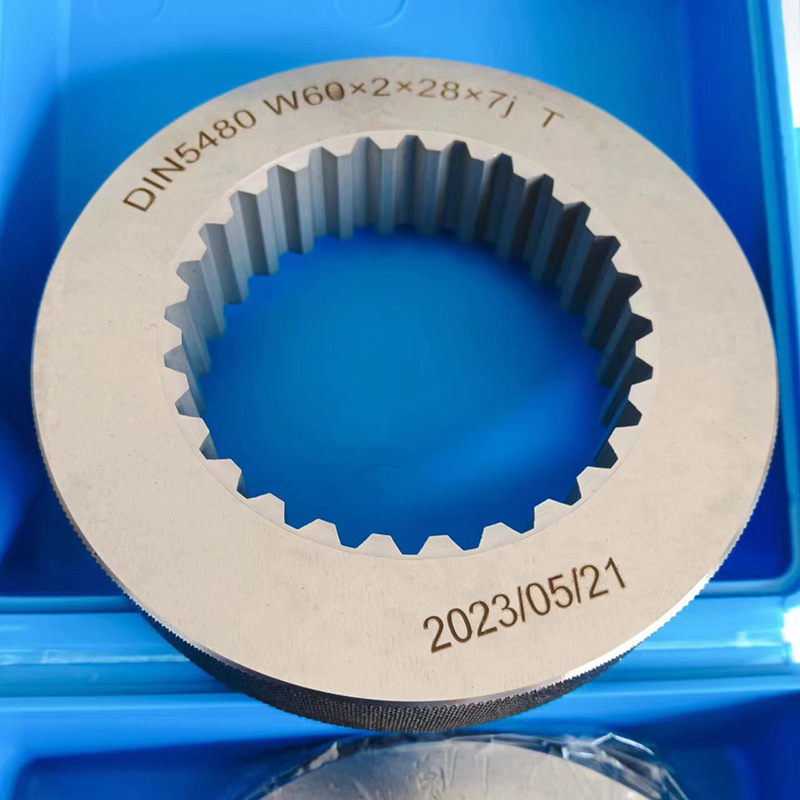
news and information
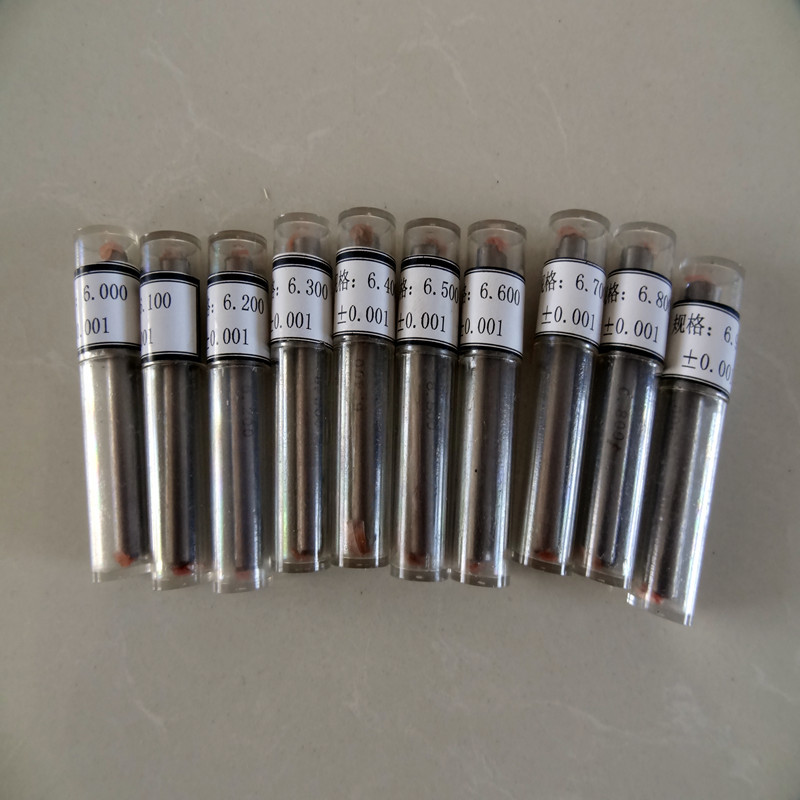
vysoce kvalitní vodové hladiny
Vysoce kvalitní nivelace Klíč k dokonalosti v každé stavbě Když se zamýšlíme nad stavbou nebo jakýmk
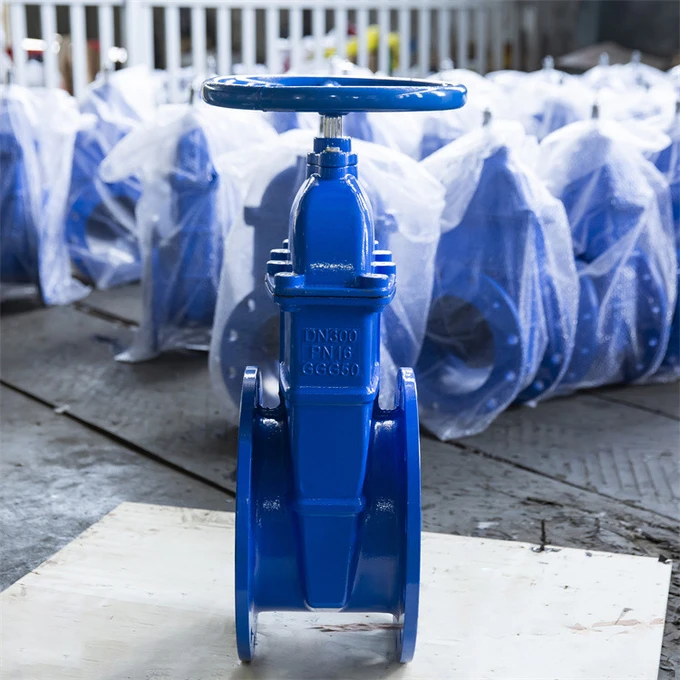
What Are the Different Types of Gate Valves_
When diving into the world of industrial flow control, understanding the various types of gate valve

Welding Table for 3x6 Workpieces with Sturdy Construction and Adjustable Design
Welding is a crucial process in many industries, from manufacturing to construction. A proper weldin
 English